A Compliance Checklist
Behavioral health organizations serving children and families face unique billing and compliance challenges. Medicaid requirements, prior authorizations, state reporting obligations, HIPAA regulations, and 42 CFR Part 2 protections all play a role in ensuring services are documented and reimbursed correctly.
Without the right systems in place, agencies risk denied claims, audit findings, delayed reimbursement, and increased administrative burden.
This checklist highlights the key capabilities every child welfare behavioral health organization should review when evaluating billing software.
Why Specialized Child Welfare Billing Software Matters
Child welfare behavioral health programs often manage:
- Medicaid fee-for-service and managed care billing
- Family and community-based services
- Prior authorizations and service limits
- Foster care and child welfare program requirements
- Behavioral health documentation standards
- State-specific reporting requirements
- HIPAA and 42 CFR Part 2 compliance
Managing these processes manually or across multiple systems increases the likelihood of errors and compliance risks.
Child Welfare Behavioral Health Compliance Checklist
-
Medicaid Billing and Claims Management
Your software should support:
- Behavioral health CPT and HCPCS coding
- Telehealth and service-specific modifiers
- Claim scrubbing before submission
- Electronic claims and remittance processing
- Denial tracking and resolution
Accurate billing reduces reimbursement delays and prevents avoidable denials.
-
Clinical Documentation and Medical Necessity
Documentation should support every billed service.
- Verify that your system helps staff:
- Complete assessments and treatment plans
- Document progress toward goals
- Record service times and interventions
- Capture required signatures and approvals
- Demonstrate medical necessity
Strong documentation protects both reimbursement and compliance.
-
Authorization and Eligibility Tracking
Behavioral health services often require ongoing authorization management. Look for software that can:
- Track approved units and authorizations
- Alert staff before authorizations expire
- Monitor utilization against approved limits
- Verify eligibility and payer coverage
Missing an authorization deadline can result in denied claims and lost revenue.
-
HIPAA and 42 CFR Part 2 Compliance
Behavioral health records require enhanced privacy protections. Ensure your platform includes:
- Role-based security
- Audit trails
- Data encryption
- Consent management
- Secure document storage
For organizations providing substance use disorder services, compliance with 42 CFR Part 2 is especially important.
-
Audit Readiness and Reporting
Agencies should be prepared for payer reviews and regulatory audits at any time. Your system should provide:
- Complete billing and documentation audit trails
- Fast record retrieval
- Compliance reporting
- Credential tracking
- Historical claim records
Being audit-ready year-round reduces operational risk.
Common Compliance Gaps
Many organizations discover the same issues during internal reviews:
- Expired authorizations
- Missing documentation elements
- Incomplete treatment plans
- Incorrect billing modifiers
- Untracked eligibility changes
- Missing provider credentials
- Manual denial management processes
Identifying these gaps early helps prevent larger compliance and reimbursement problems.
How MedEZ® Supports Child Welfare Behavioral Health Programs
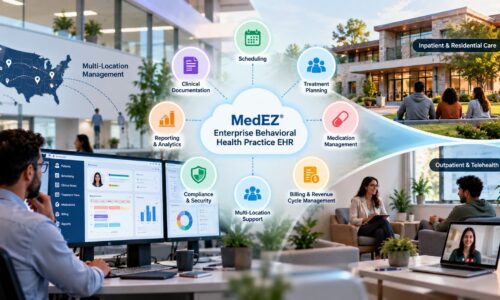
For almost 30 years, MedEZ® has focused on behavioral health and substance use disorder treatment organizations. The platform combines clinical documentation, billing, authorization management, reporting, and compliance tools within a single system.
MedEZ® helps organizations:
- Manage Medicaid and managed care billing
- Track authorizations and service limits
- Maintain audit-ready documentation
- Support state-specific reporting requirements
- Monitor outcomes and program performance
- Reduce duplicate data entry between clinical and billing teams
By connecting documentation, billing, and compliance workflows, MedEZ® helps agencies improve efficiency while supporting regulatory requirements.
Final Thoughts
Child welfare behavioral health billing involves far more than submitting claims. Organizations must manage documentation, authorizations, privacy requirements, reporting obligations, and compliance standards simultaneously.
Using a purpose-built child welfare billing software solution can help reduce administrative burden, improve reimbursement accuracy, and strengthen compliance readiness.
For agencies looking to streamline operations and support long-term compliance, selecting a behavioral health-focused platform such as MedEZ® can provide a strong foundation for success.